
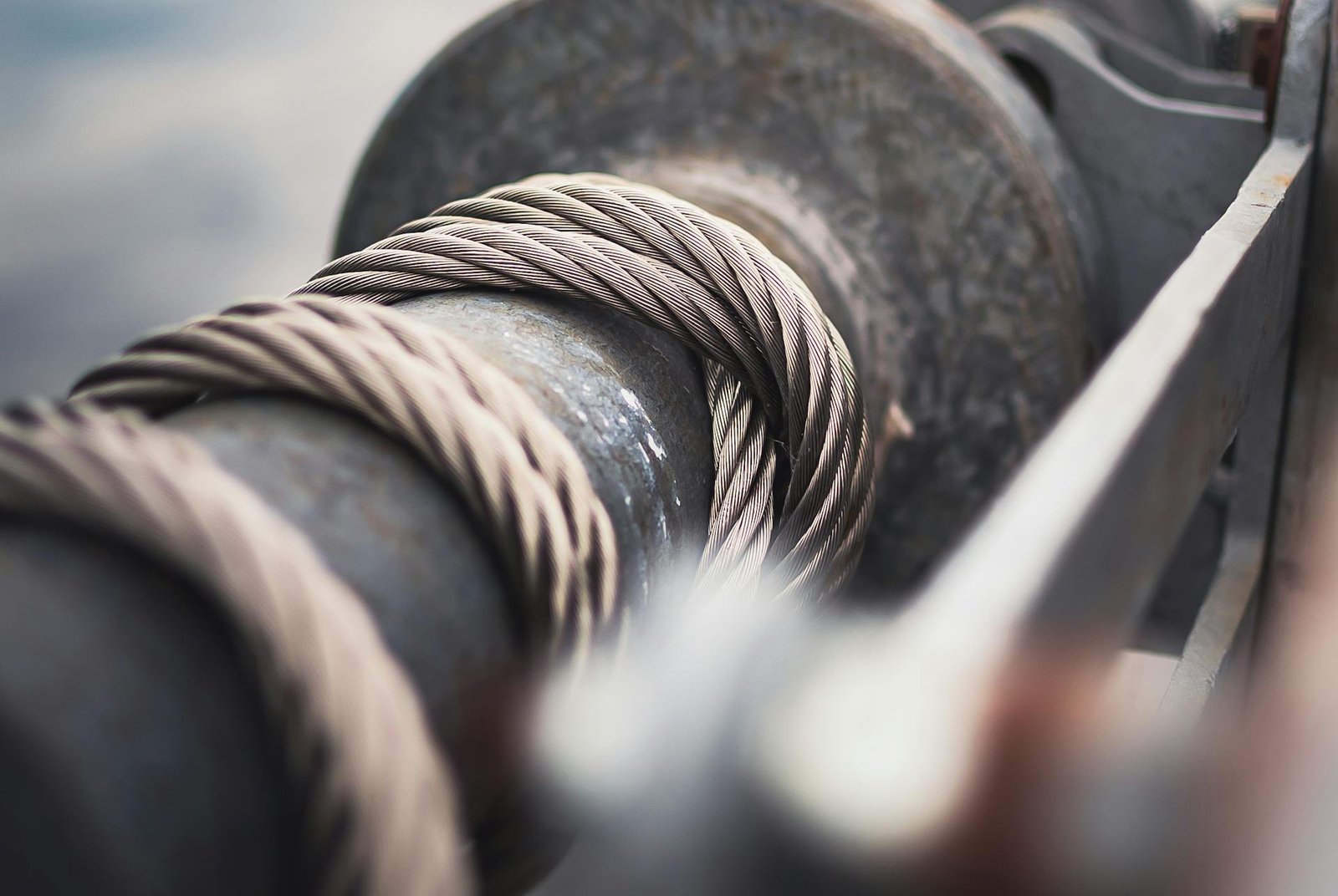
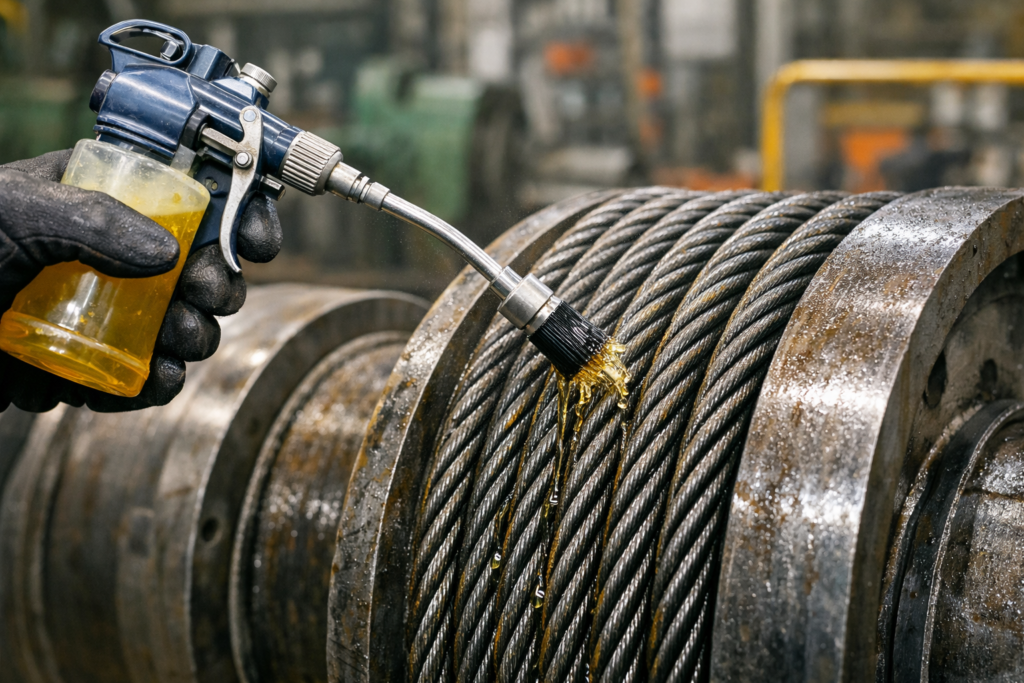
A professional rope lubrication service ensures that lubricant penetrates deep into the rope core, reducing internal friction between individual wires and strands. It also creates a protective barrier against corrosion, moisture, dust, and harsh environmental conditions. Without regular lubrication, wire ropes can suffer premature wear, internal rusting, reduced flexibility, and potential failure.
Wire ropes consist of multiple strands twisted around a core. As the rope bends and moves over sheaves and drums, internal wires rub against each other. This friction generates heat and accelerates wear. Proper lubrication reduces this friction, allowing the rope to move smoothly and minimizing internal damage.
Moisture, humidity, chemicals, and salt exposure can cause corrosion inside the rope. Internal rust is especially dangerous because it may not be visible from the outside. Lubrication forms a protective layer that prevents water and contaminants from reaching the metal surfaces, significantly reducing the risk of corrosion-related failure.
Routine lubrication dramatically increases rope lifespan. By reducing wear and preventing rust, ropes maintain their strength and flexibility for longer periods. This lowers replacement frequency and reduces operational downtime.
Wire rope failure can result in severe accidents, equipment damage, and costly downtime. Regular rope lubrication service supports safe operation by maintaining the rope’s structural integrity and load-bearing capacity.
A professional service always begins with a thorough inspection. Technicians check for broken wires, corrosion, deformation, flattening, birdcaging, and uneven wear. If the rope shows signs of serious damage, replacement may be recommended instead of lubrication.
Before applying the lubricant, the rope surface must be cleaned. Dirt, old hardened grease, and debris can block proper penetration. Cleaning may involve mechanical brushing or specialized cleaning tools to remove contaminants without damaging the rope.
Different operating environments require different types of lubricants. Factors such as temperature, humidity, load intensity, and exposure to chemicals influence lubricant selection. The chosen lubricant must be capable of penetrating the rope core while also providing surface protection.
There are multiple lubrication methods used depending on rope size and application:
Manual brushing or spraying for small ropes
Drip or pressure systems for moderate use
Pressure lubrication systems that force lubricant into the rope core for deep penetration
Pressure lubrication is particularly effective because it ensures lubricant reaches the internal strands, not just the outer surface.
After lubrication, excess material is wiped away to prevent buildup and contamination. The rope is then inspected again to ensure even coverage and proper penetration.
Cranes rely on wire ropes to lift and move heavy loads. Continuous bending and heavy loads make lubrication critical for maintaining flexibility and strength.
Elevator systems depend on smooth rope movement. Proper lubrication reduces noise, vibration, and wear while improving ride quality and safety.
Ropes used in marine environments face saltwater exposure, which accelerates corrosion. Lubrication acts as a moisture barrier and protects against rust.
In mining and heavy industry, ropes operate in dusty, abrasive conditions. Lubrication helps reduce wear caused by grit and particles.
If the rope surface looks dry, dull, or rusty, it likely needs lubrication. A properly lubricated rope should appear slightly moist but not excessively greasy.
Squeaking or grinding noises often indicate insufficient lubrication. Friction between wires increases when lubricant levels are low.
A rope that feels stiff or less flexible than usual may lack adequate lubrication. Flexibility is essential for safe bending around sheaves and drums.
Any visible rust is a warning sign. Immediate lubrication may help prevent further corrosion, though severe cases may require replacement.
The lubrication schedule depends on several factors:
Operating environment
Load intensity
Usage frequency
Manufacturer recommendations
Regulatory standards
In high-demand environments such as construction or marine operations, lubrication may be required monthly or even more frequently. In lighter-duty applications, quarterly or semi-annual service may be sufficient.
A preventive maintenance plan tailored to operating conditions ensures optimal performance and cost efficiency.
Professional services use specialized equipment to force lubricant into the rope core, providing superior protection compared to surface-only applications.
Scheduled lubrication minimizes unexpected failures and emergency repairs. This keeps operations running smoothly and avoids costly interruptions.
Many industries have strict maintenance and inspection requirements. Professional lubrication services help ensure compliance with safety regulations.
Although lubrication service involves a maintenance cost, it significantly reduces the need for premature rope replacement and emergency repairs, resulting in long-term savings.
Modern rope lubrication services often use environmentally responsible lubricants designed to reduce environmental impact. In sensitive environments such as marine or food-processing facilities, biodegradable and low-toxicity lubricants may be required.
Proper application also prevents over-lubrication, which can lead to dripping and contamination. Controlled lubrication systems ensure precise application with minimal waste.
Some ropes are installed in hard-to-reach areas, making lubrication challenging. Specialized tools and equipment are often required to access elevated or confined spaces safely.
Ropes exposed to heavy dirt, sand, or chemicals may require extensive cleaning before lubrication. Failure to clean properly can trap contaminants inside the rope.
Using the wrong lubricant can reduce effectiveness or even cause damage. Professional evaluation ensures compatibility with rope material and operating conditions.
A comprehensive rope maintenance plan includes:
Scheduled inspections
Regular lubrication intervals
Load monitoring
Replacement planning
Documentation and record keeping
Maintaining accurate service records helps identify wear patterns and optimize lubrication frequency.
Rope lubrication must be performed with strict adherence to safety protocols. Equipment should be locked out when necessary, and technicians should wear appropriate protective gear. Working at heights requires fall protection and proper access systems.
Ensuring the rope is not under load during lubrication reduces the risk of injury and allows for thorough inspection and application.
Consistent rope lubrication improves overall equipment reliability. Properly maintained ropes maintain their diameter, flexibility, and tensile strength for longer periods. This reduces strain on associated components such as sheaves, drums, and pulleys.
By minimizing friction and corrosion, lubrication contributes to smoother operation, lower energy consumption, and reduced mechanical stress across the system.